An AI Company Built Its Entire Business on Stolen Voices. Then It Went Bankrupt.
Voice actors lost their work, their likeness, and now their chance at compensation. Meet Lovo.
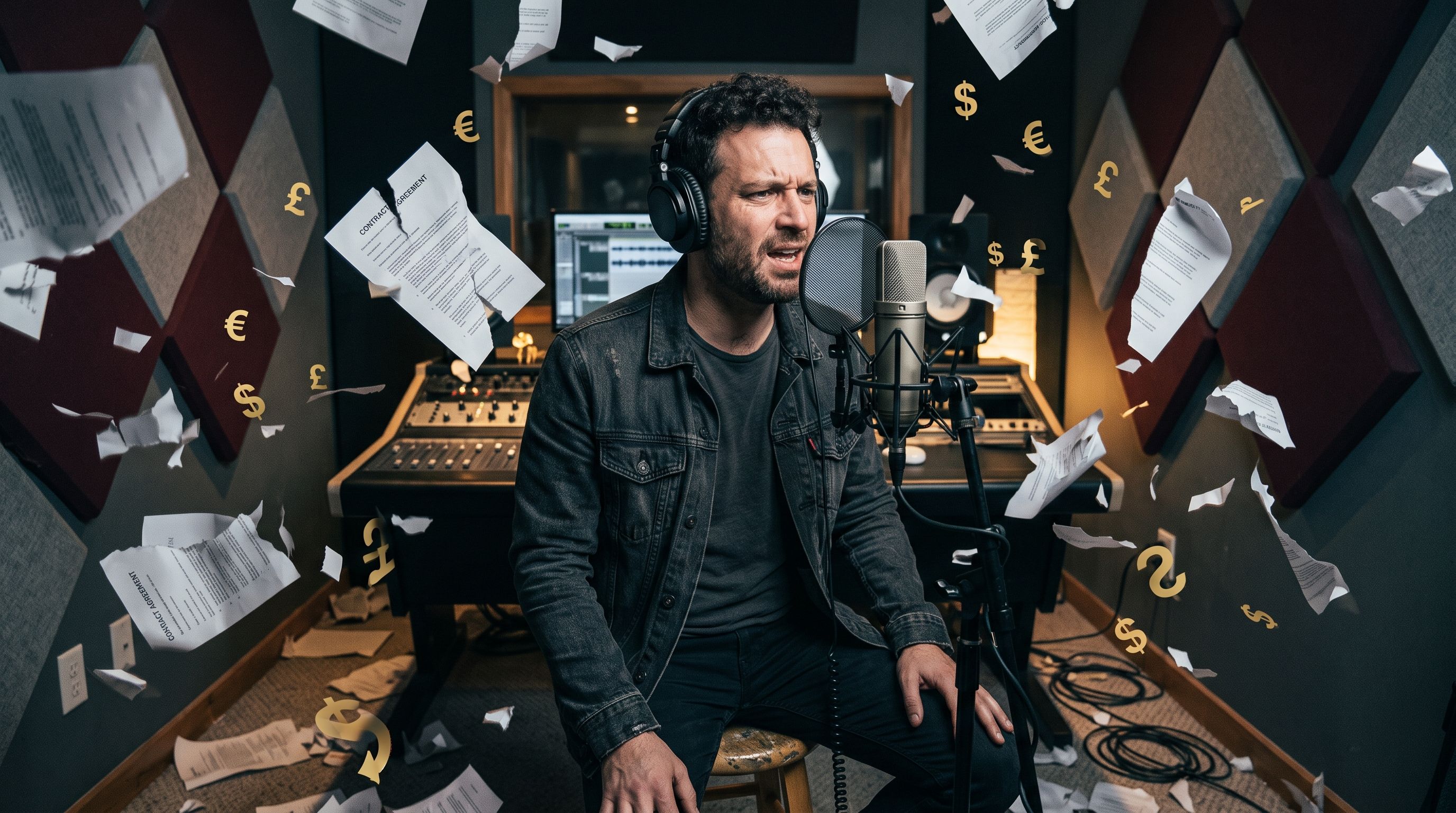
Voice actors spend years building their instrument. The breath control. The timing. The ability to hold a character through six hours of recording without losing the thread. It is a craft, and it is a livelihood.
Lovo AI built its business by taking it without asking.
The company, founded in 2019, offered AI-generated voice products to businesses, advertisers, and content creators. By 2023 it had over 600 voice options on its platform. The problem, uncovered by a joint investigation, was where a significant portion of those voices came from.
Voice actors reported finding their voices, cloned from recordings they had made for other clients, being sold on the platform without their knowledge or consent. Some had signed standard voiceover contracts that did not include any AI provisions. Others had worked with companies that had, without disclosure, passed the recordings to Lovo.
The actors were not paid for the clones. They were not even told they existed.
What followed was a legal mess and then a financial one.
Several voice actors filed claims. There were investigations. Media coverage came. The company disputed the allegations, argued that its data sourcing was lawful under existing terms, and said it had since introduced stricter policies.
Then, in early 2026, Lovo filed for bankruptcy.
For the voice actors who had been fighting for compensation, this was a particular kind of devastating. A bankruptcy filing means the company's assets are distributed to creditors in a specific legal order. Unsecured claimants, which is what most of the affected voice actors would be, tend to get very little. Sometimes nothing.
The people whose work built the product are last in line when the product collapses.
This is not an isolated story. Dozens of AI audio companies have used similar approaches: scraping publicly available audio, purchasing datasets from companies that sourced recordings questionably, or writing contracts that acquired broad rights without clearly disclosing what those rights would be used for.
The voice actors affected are not famous. They are working professionals. Narrators, corporate video specialists, e-learning producers, the people whose voices explain your banking app or walk you through your insurance claim. They are not in a position to hire IP lawyers and pursue litigation against well-funded startups.
And now one of those startups is gone, and the money is gone with it.
Consent needs to be explicit, not buried in a contract. AI training on voice recordings needs to require affirmative opt-in, not opt-out buried in the terms and conditions. And when a company profits from unlicensed use of someone's voice and then goes bankrupt, there should be a mechanism, probably a regulatory one, to ensure that the people whose work was used do not simply lose.
Right now there is not.
Lovo is gone. The voices it used are still out there somewhere, in products, in APIs, in datasets that may have already been sold to other companies.
And the people those voices belong to have almost no way of knowing.