Space Lasers. Secret Election Data. Elon Musk's Ex Just Dropped the Most Unhinged Story of the Year
Ashley St. Clair went on TikTok. Elon Musk probably wishes she hadn't.
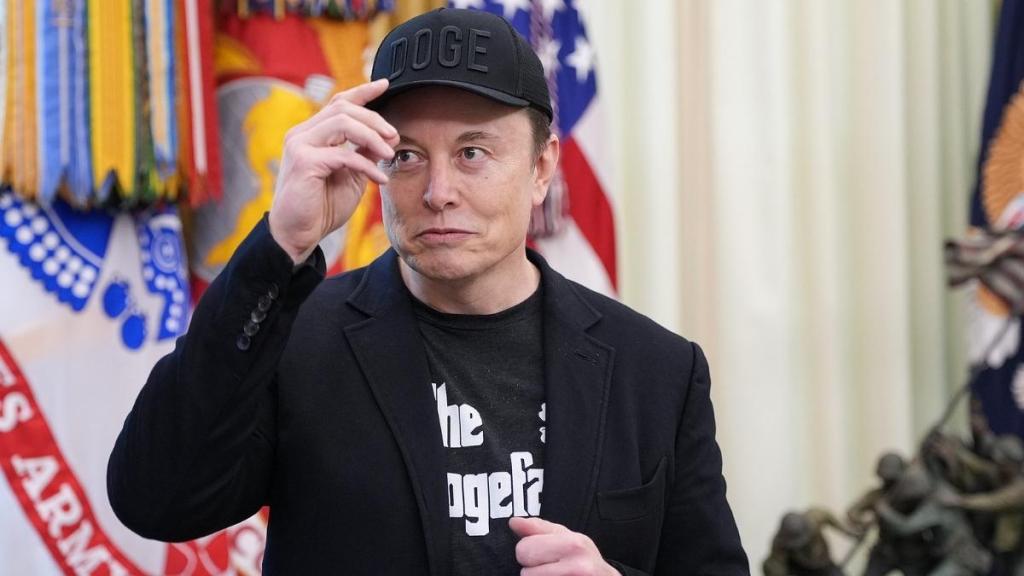
The AI world loves a plot twist. But this week's story has wandered well beyond AI and into territory so dramatic, so spectacularly unhinged, that I genuinely had to read it twice.
Elon Musk's ex-partner Ashley St. Clair has claimed that the world's most controversial billionaire told her, during their relationship, that he had access to real-time election data, knowledge of an "anomaly in the matrix," and, just casually, ten thousand lasers in space.
Yes. Ten thousand lasers. In space.
She shared all of this, naturally, during a TikTok "Get Ready With Me" video. Because apparently the era of whistleblowers delivering documents in car parks is over. We do GRWM videos now.
According to St. Clair, Musk allegedly told her he could see real-time election numbers during the 2024 Trump campaign, data she felt he simply shouldn't have had access to. She recalled sitting at Mar-a-Lago on election night when Musk allegedly texted her that Trump was going to win because his team had "the best real-time data."
She also claimed that at one point he referenced something that "shouldn't even be on the chessboard," and that she actively stopped him from continuing because she didn't want to end up as a witness in future legal proceedings.
A source close to Musk has since called her claims "total nonsense" and insists the space laser remarks were metaphorical. Which is, of course, exactly what someone would say if they had ten thousand lasers in space.
The real question here isn't whether any of this is true. That's for lawyers and journalists to untangle.
The real question is what this tells us about where technology, politics and power now intersect.
The most powerful AI companies on the planet are no longer separate from political power. The people building the most advanced technology in human history are sitting in the same rooms as heads of state, advising on policy, funding political campaigns and, apparently, texting from election night parties.
We've spent years debating whether AI could influence elections through disinformation and deepfakes. But what if the more pressing concern isn't rogue algorithms. It's the fact that the people who build those algorithms have no meaningful oversight at all?
The most dangerous moment in the AI era isn't when machines gain too much power. It's when individuals use machines to gain too much power, with no one watching.