That Was Not Taylor Swift on TikTok. But Millions of People Clicked Anyway.
A fake version of the world's biggest pop star is selling things online, and the platforms are barely blinking.
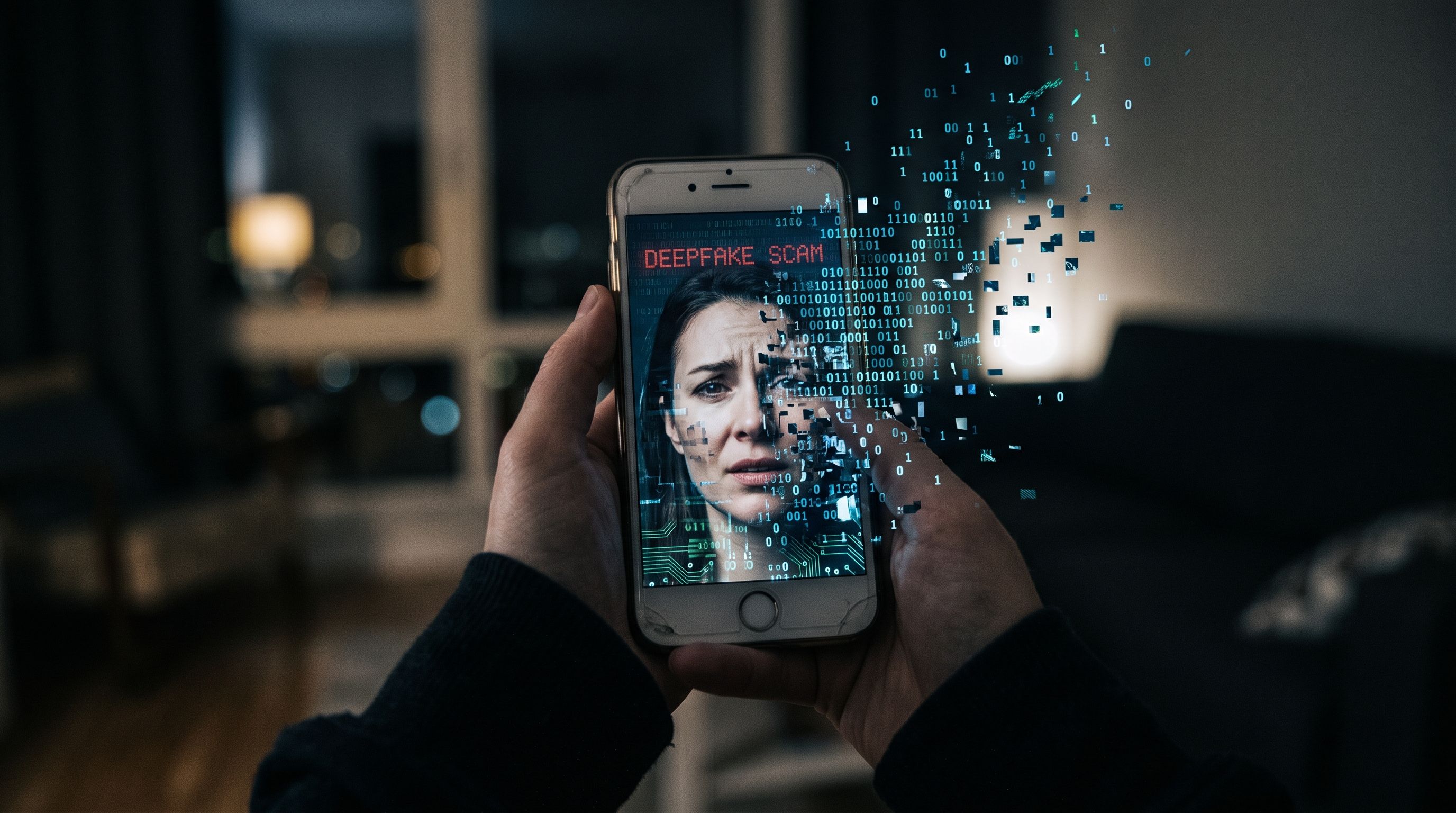
Millions of people saw Taylor Swift on TikTok last month endorsing a kitchen gadget.
It was not Taylor Swift.
Not even close, once you knew what to look for. The lip sync was slightly off. The eye movement was a little too smooth. And the voice, though convincing, had that particular flatness that AI voices still struggle to shake.
But most people were not looking for those things. They just saw a famous face and clicked.
This is the deepfake scam economy, and it is growing.
Over the past 18 months, researchers have tracked thousands of adverts on platforms including TikTok, YouTube and Facebook using AI-generated versions of celebrities to sell products. The targets are almost always the same: kitchen appliances, investment schemes, weight loss supplements, and luxury goods at suspiciously low prices.
The celebrities never agreed to any of it. Their faces and voices were scraped from existing footage and fed into tools that can now produce a convincing fake in under an hour.
Some of these adverts ran for weeks before being removed. A few of them made money.
The platforms are not exactly rushing to fix this. TikTok has tools to detect synthetic media, according to its own documentation. YouTube has a reporting system for AI-generated content. Meta has policies against misleading adverts. And yet the fakes keep appearing. Often the same fake, with the same celebrity, on the same platform, days after being reported and supposedly removed.
The problem is not technology. The platforms have the technology to detect this content. The problem is that detecting and removing every deepfake advert before it earns a click costs money. And the adverts, at least for a while, make money.
There is a real cost to this beyond annoyance. Ordinary people are being scammed. A grandmother in Manchester bought a Taylor Swift-endorsed facial cream for £89 that arrived as a cheap moisturiser in unlabelled packaging. A teenager in Leeds sent money to a fake investment platform backed by a deepfake of a footballer.
These are not edge cases. They are the business model.
Taylor Swift's team has responded to multiple deepfake incidents now. Her lawyers send takedowns. The content comes back. Her team sends more takedowns. It is whack-a-mole with someone else's face.
Watermarking. Mandatory disclosure of AI-generated content in adverts. Platform liability for synthetic media that causes financial harm. Criminal penalties for those who create and distribute deepfake scam adverts at scale.
None of these things exist yet in a meaningful way in the UK, the EU, or the US.
Until they do, the rule is simple. If a celebrity is telling you to buy something on social media and you did not see the news about it anywhere else, there is a reasonable chance it is not them.